
George and Lucy on exercise, access and being included.
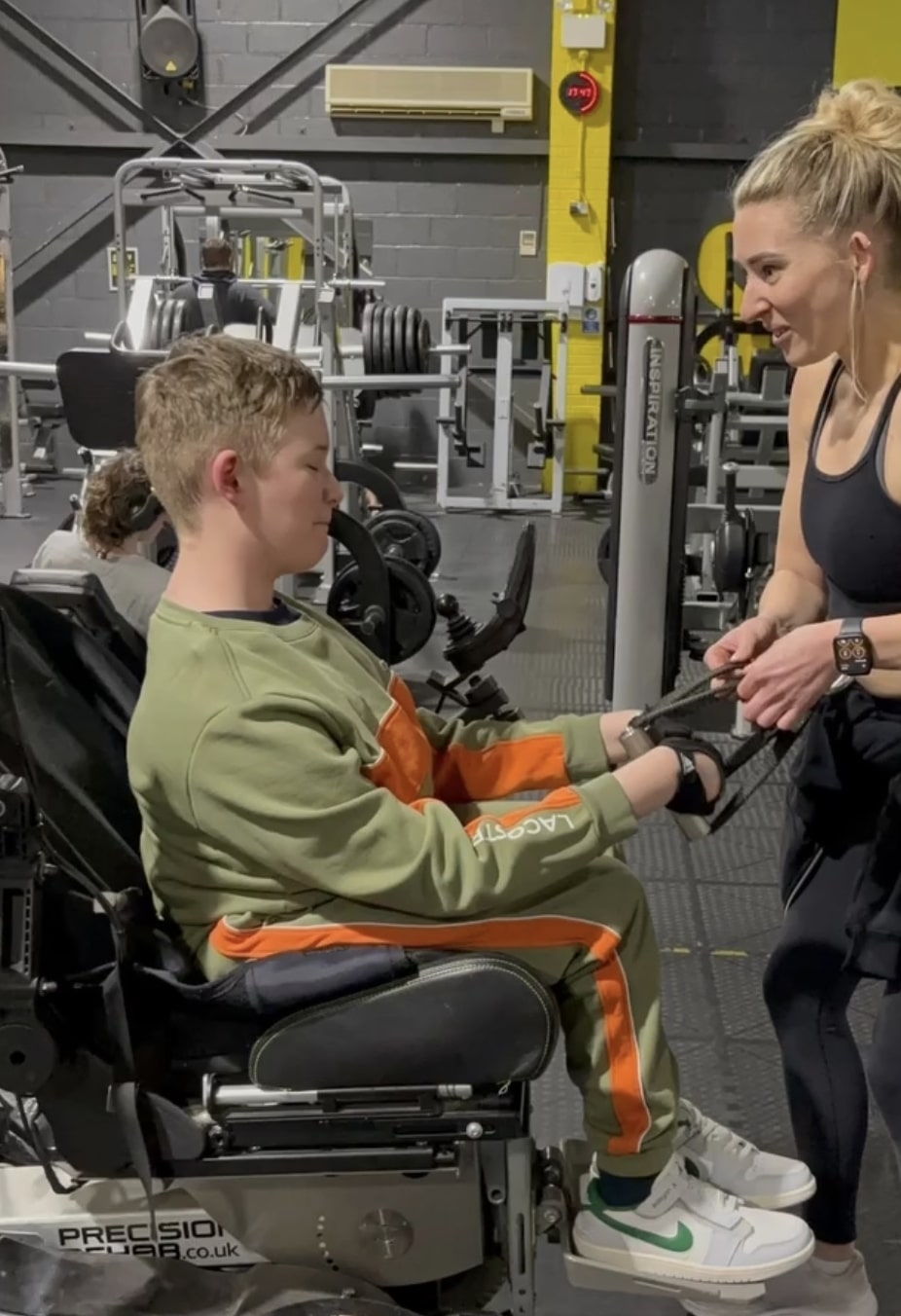
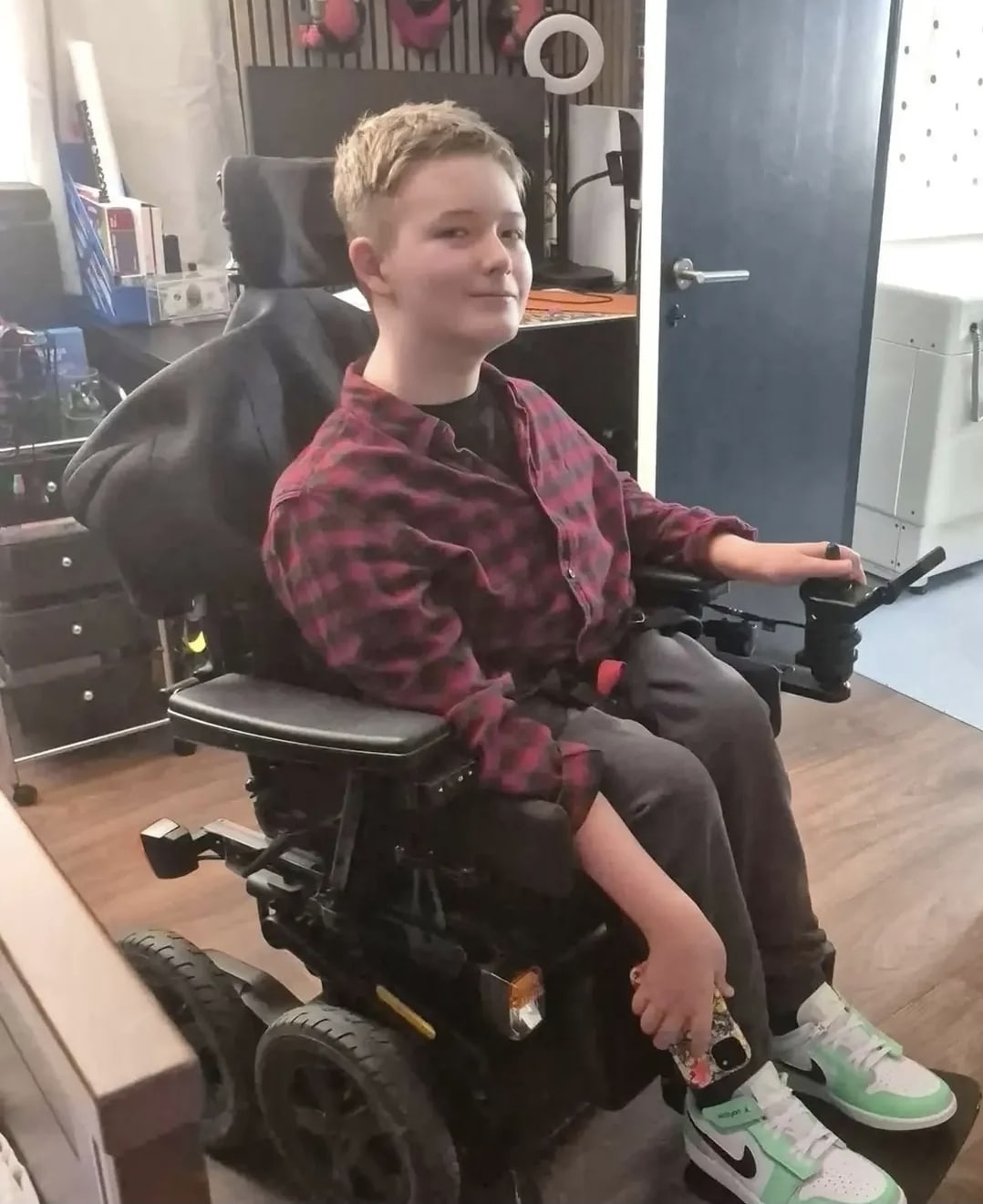
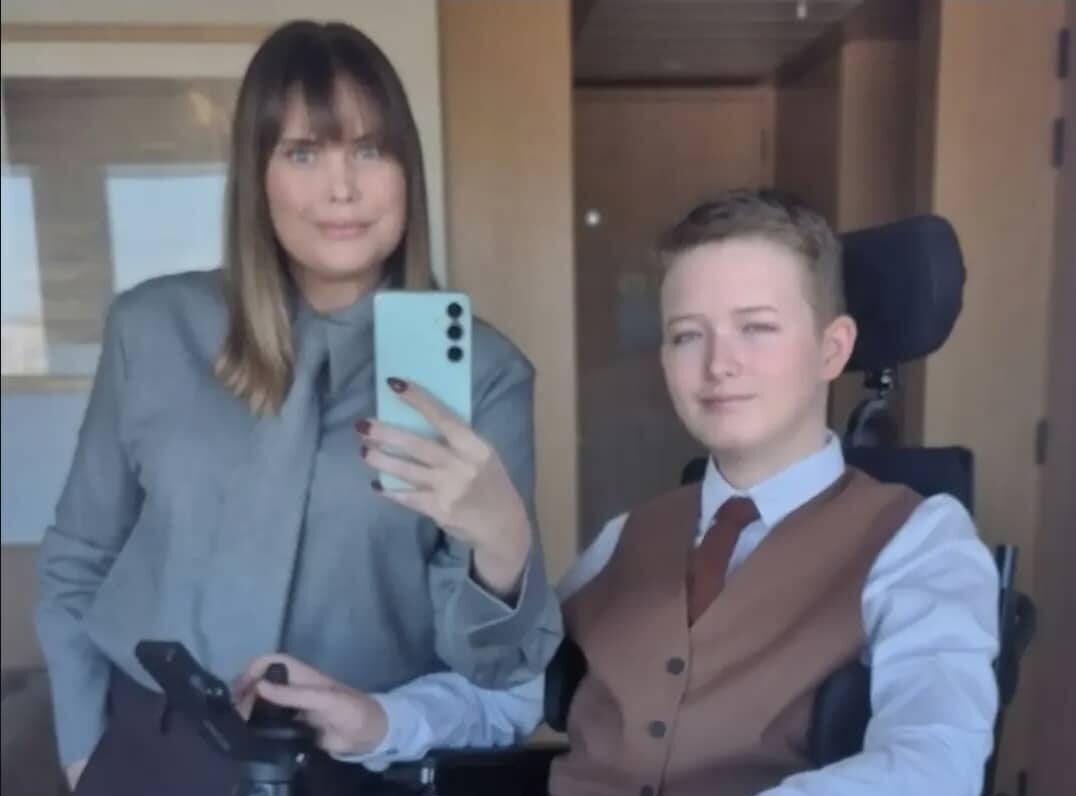
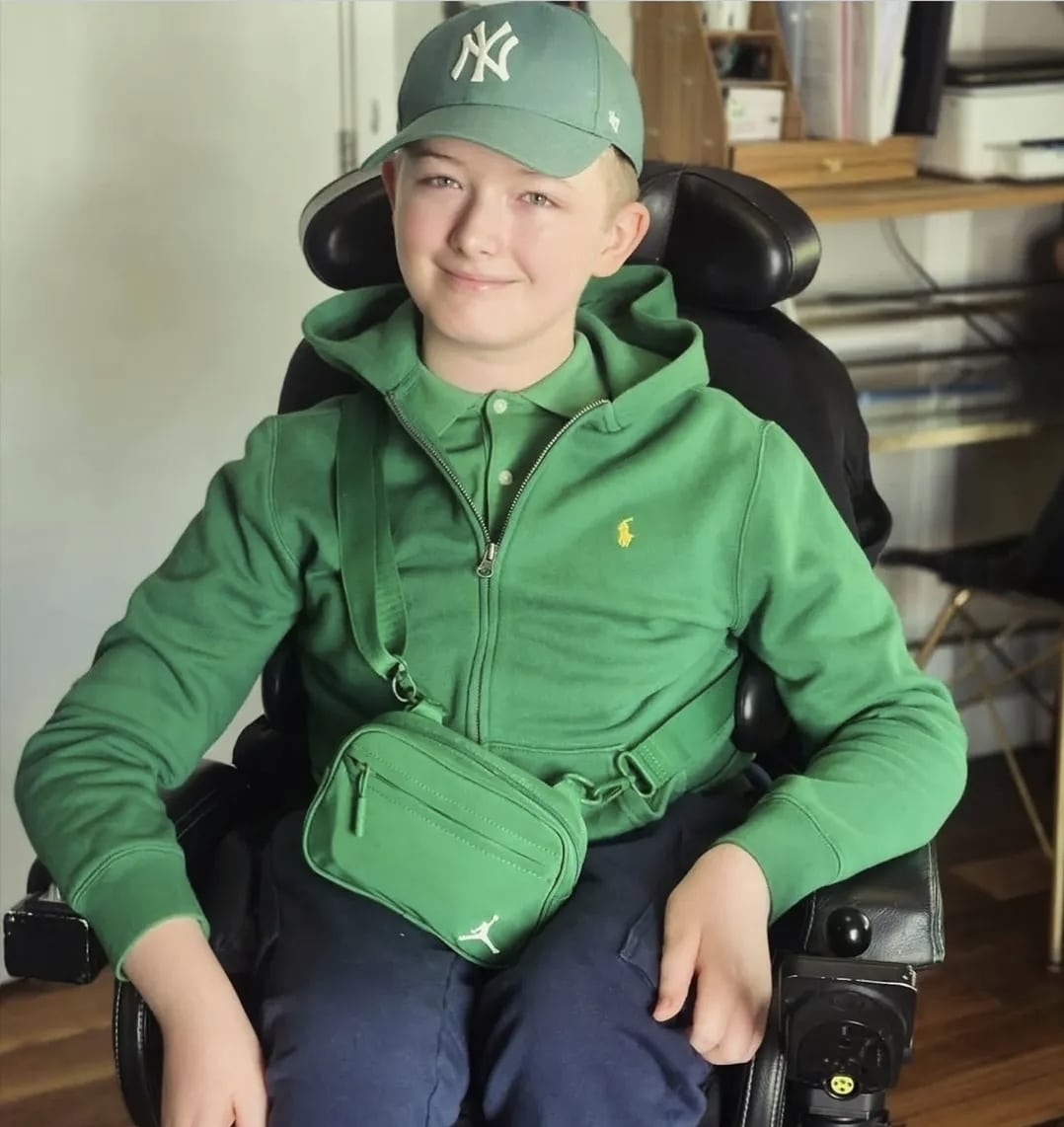
George is a teenager who loves going to the gym. He has spinal muscular atrophy (SMA) and uses a wheelchair. His mum, Lucy, is his full-time carer.
We asked them both about exercise, the barriers they’ve come up against and what somewhere like Gympanzees centre could mean for them. This is what they told us, in their own words.
A good kid of worn out
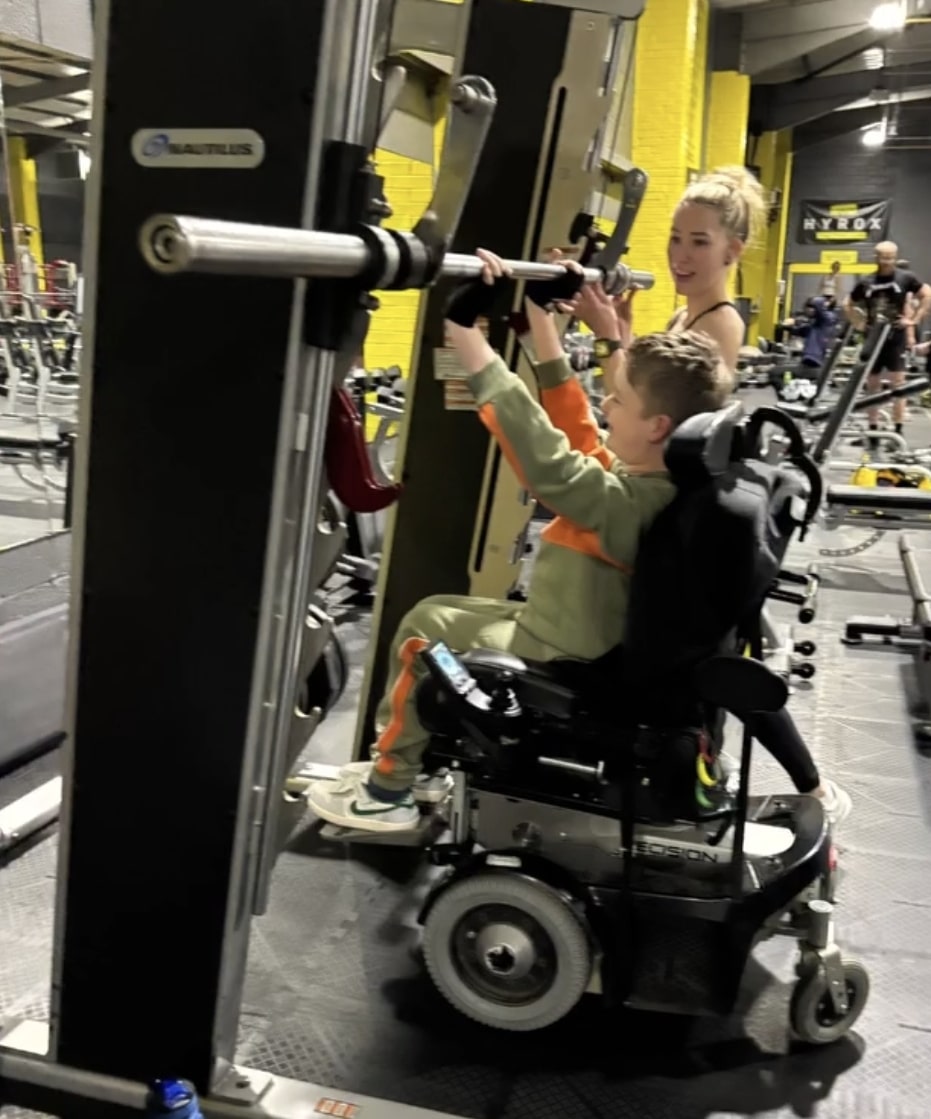
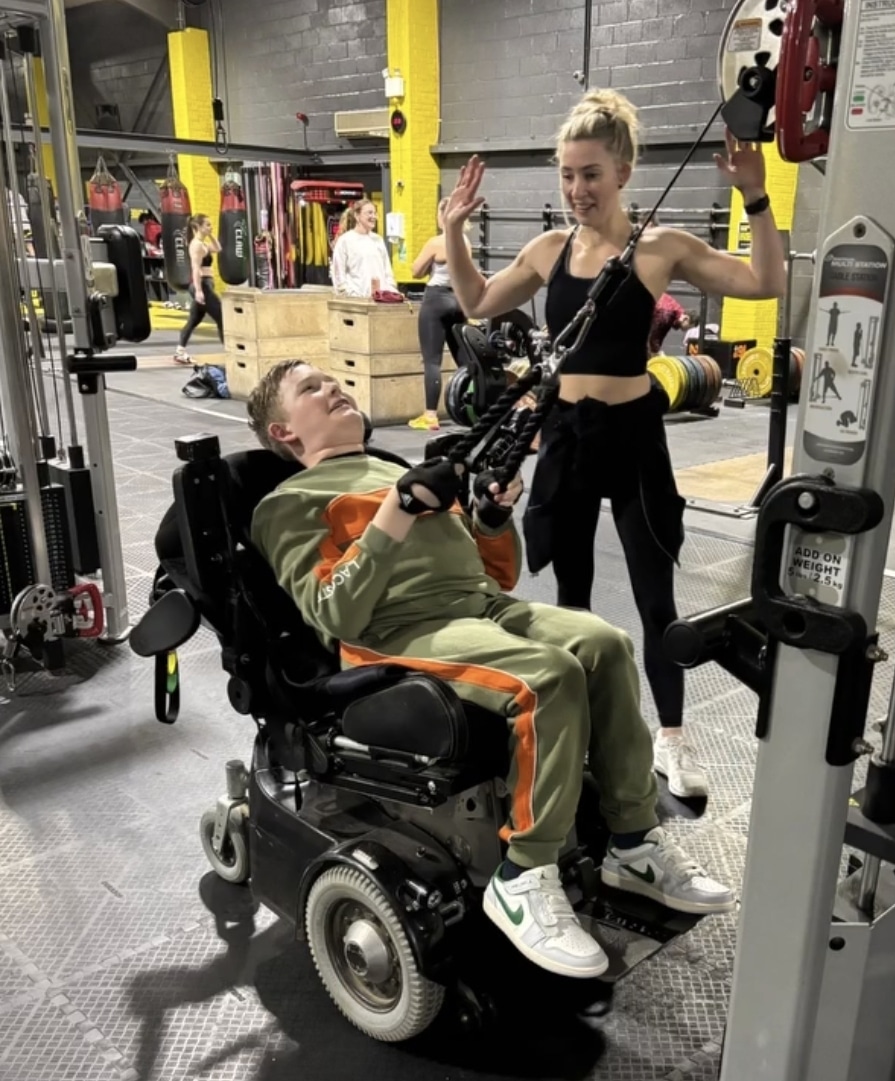
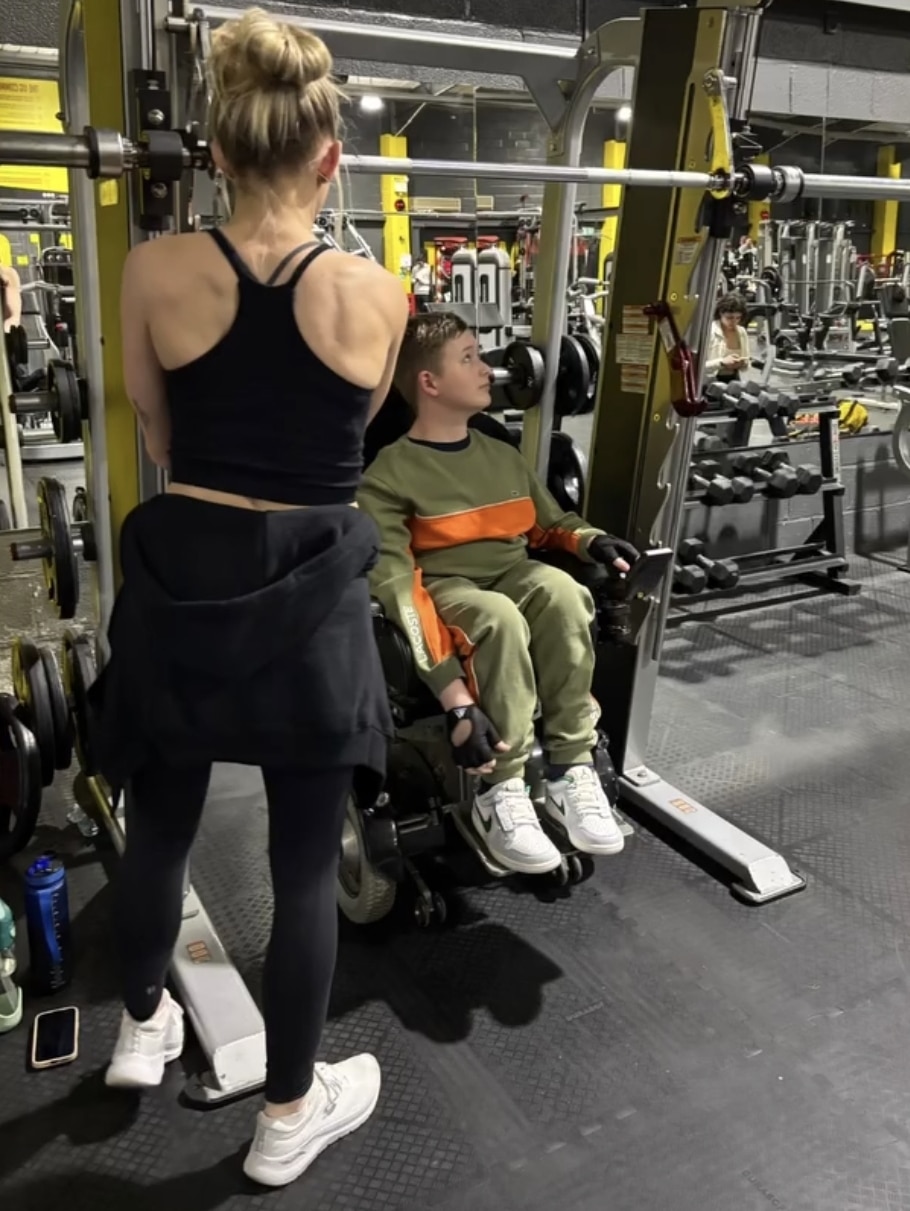
George works out with his personal trainer. He says:
“I really enjoy going to the gym. I like feeling that I’m maintaining my strength and, sometimes, even making progress.
It makes me feel good, especially mentally. When you’re sitting in a wheelchair all day, every day, it’s nice to be able to do something physical, get your body moving and feel energised.
I’m always worn out afterwards, but it’s a good kind of worn out. I feel like I’ve done something positive for myself.”
He keeps track of his progress, too.
“I particularly enjoy seeing the small gains I’m making. Each week, I might improve just a little bit, but that progress means a lot to me.
That’s one of the reasons I film my workouts. I can look back, compare what I was doing before and actually see how far I’ve come.
For example, when I first started at the gym, I could only hold the push bar up for about three seconds. Now I can hold it for 33 seconds!
I’ve definitely become stronger. I can now pull weights of up to 12 kilograms, which is something I couldn’t do before.”
Lucy has noticed the change in him.
“He comes home with a real buzz. He’s more confident, he feels proud of himself when he achieves something, and he genuinely looks forward to going to the gym.
I’ve seen such a positive change in him.
It’s also something he can do independently of me, which is incredibly important.
As his mum and full-time carer, I think it’s wonderful that he has something that’s his own. Somewhere he can go, work towards his goals and develop a sense of independence without needing me there.”
Feeling part of something
The gym is also about the people around him.
“Another thing I really enjoy is being in a gym environment with other people.
Because of my condition, so much of what I do is one-to-one, whether that’s physiotherapy or other activities.
Even though I work out with my personal trainer, just being surrounded by other people exercising makes me feel part of something.
It’s nice to feel included in that community and to be doing what everyone else is doing.”
What gets in the way
George wouldn’t know where to start listing the activities he hasn’t been able to try.
“For me, one of the biggest barriers is transferring out of my wheelchair. So many activities could potentially be possible if there were suitable hoisting facilities.
I think that’s the frustrating part. So many activities could be adapted if people were willing to think about inclusion.
And when it comes to playgrounds, I really don’t think there’s an excuse anymore.
There’s enough knowledge and equipment available now for every playground to have at least one or two pieces of fully accessible play equipment.
Disabled children shouldn’t have to sit and watch everyone else having fun.”
Lucy has seen how easy it is to get one part right and miss the rest.
“A perfect example is our local swimming pool.
They’ve installed a pool hoist, which is great, but what happens before and after George gets into the water?
Where is he supposed to get changed?
There’s no suitable changing bench, no hoisting facilities in the changing area and no appropriate toilet facilities for him.
So yes, they’ve installed a pool hoist, but they haven’t thought through the entire process of what someone like George actually needs to use the swimming pool.
It’s almost like a token gesture towards accessibility rather than genuinely making the facility accessible.
I’m George’s mum, and he’s now a teenager.
He can’t simply come into the women’s changing rooms with me, and I can’t go into the men’s changing rooms with him.
He’s not a toddler anymore.
We need a suitable, private, accessible changing space where a carer can assist someone of a different sex with dignity.
And we need the equipment to make that possible, including a hoist and an appropriate changing bench.
It’s not enough to make one part of a facility accessible if the rest of the experience remains impossible. Accessibility needs to be considered from the moment someone arrives until the moment they leave.”
For George, what makes a place feel accessible is simple.
“For me, it’s the people.
It’s about having staff who are willing to adapt, think outside the box and find ways to make things possible rather than immediately coming up with reasons why they can’t be done.
I think most things can be worked around if you’ve got people who are willing to try.”
Lucy agrees, with a warning.
“The problem is that accessibility shouldn’t depend on being lucky enough to find the right person.”
What somewhere like Gympanzees could mean
George:
“I think it would be amazing!
It would be somewhere you could go to work out, meet people, have a chat and just feel part of a community.
You’d be surrounded by people who might have similar conditions or experiences to you, people who understand some of the challenges you face.
Being able to meet different people, make friends and exercise in an environment that’s designed to include you would be brilliant.”
Lucy:
“I think having a place where accessibility is already considered, rather than something families constantly have to fight for, would make an enormous difference.
To be honest, I think facilities like this should be standard across the country.”
And George’s message to everyone else is short.
“I’d like people to stop assuming that because someone has a disability, they aren’t interested in fitness, fashion or looking after themselves.
We want the same opportunities as everyone else.”