
TVMC Mobility brings specialist hoisting to the Gympanzees centre
When the Gympanzees centre opens, accessibility won’t be something added afterwards. It is being built into the spaces from the start.
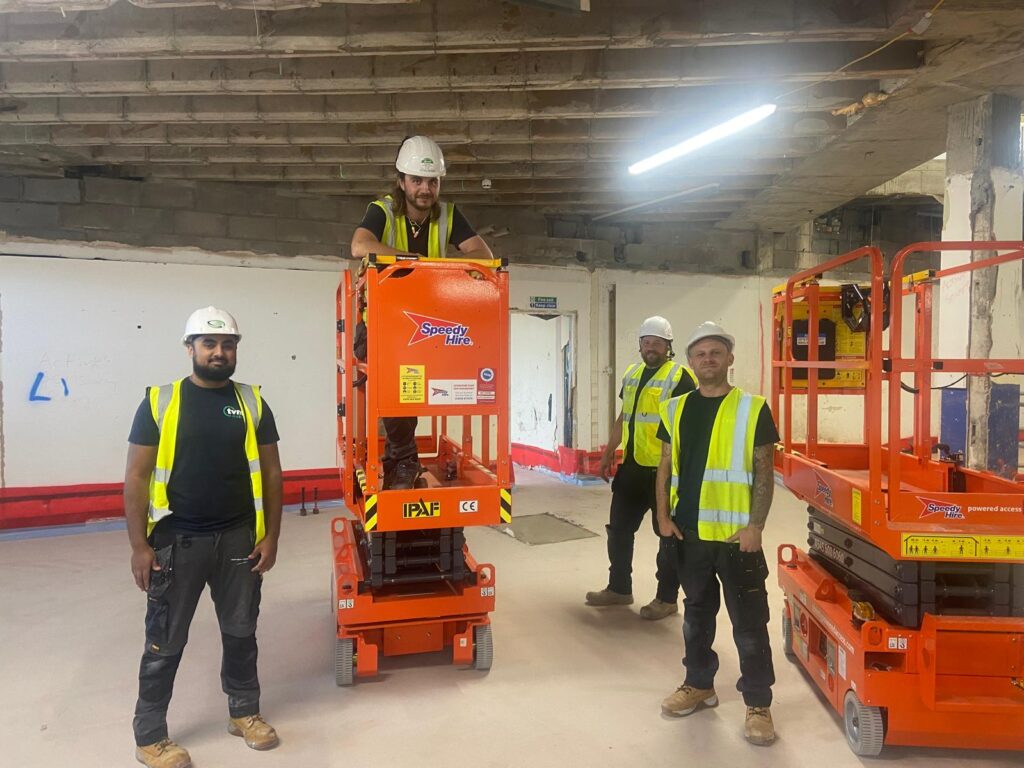
One of the companies helping us make that possible is TVMC Mobility, a family-run business supplying, installing and maintaining specialist lifting and mobility equipment across the South West and South Wales.
TVMC’s relationship with Gympanzees goes back much further than the permanent centre
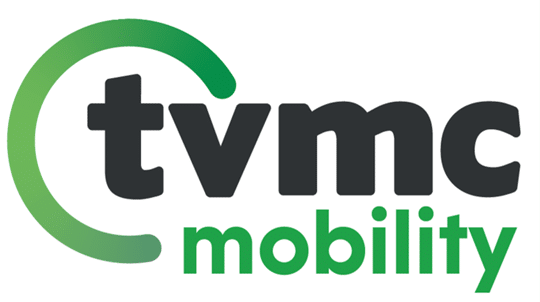
“We were approached by Fran (Gympanzees COO) to see if we could assist with a Pop Up designed to enable families with children or young adults with additional needs to enjoy a day out with the rest of the family or friends,” explains Kevin, TVMC Founder and Managing Director.
“We were more than happy to loan equipment for the first Gympanzees Pop Up and have continued this support for other events.”
Through that relationship, Kevin saw first-hand the difference accessible spaces could make.
“Some of our existing customers have made regular use of the Pop Ups and have valued them immensely. When Fran and Steph were proposing a local permanent base, which families can use to meet others and just play, I was keen to support this.”
Making more of the centre accessible
TVMC is now supplying multiple ceiling track hoisting systems throughout the Gympanzees centre.
For anyone unfamiliar with them, ceiling track hoists are specialist pieces of equipment that support safe transfers from a wheelchair using a sling attached to a motorised hoist running along a secure ceiling track.
Depending on the design, the tracking can move someone from one point to another or cover a much larger area of a room.
They can also support standing and walking.
At Gympanzees, however, their role goes beyond transferring from A to B.
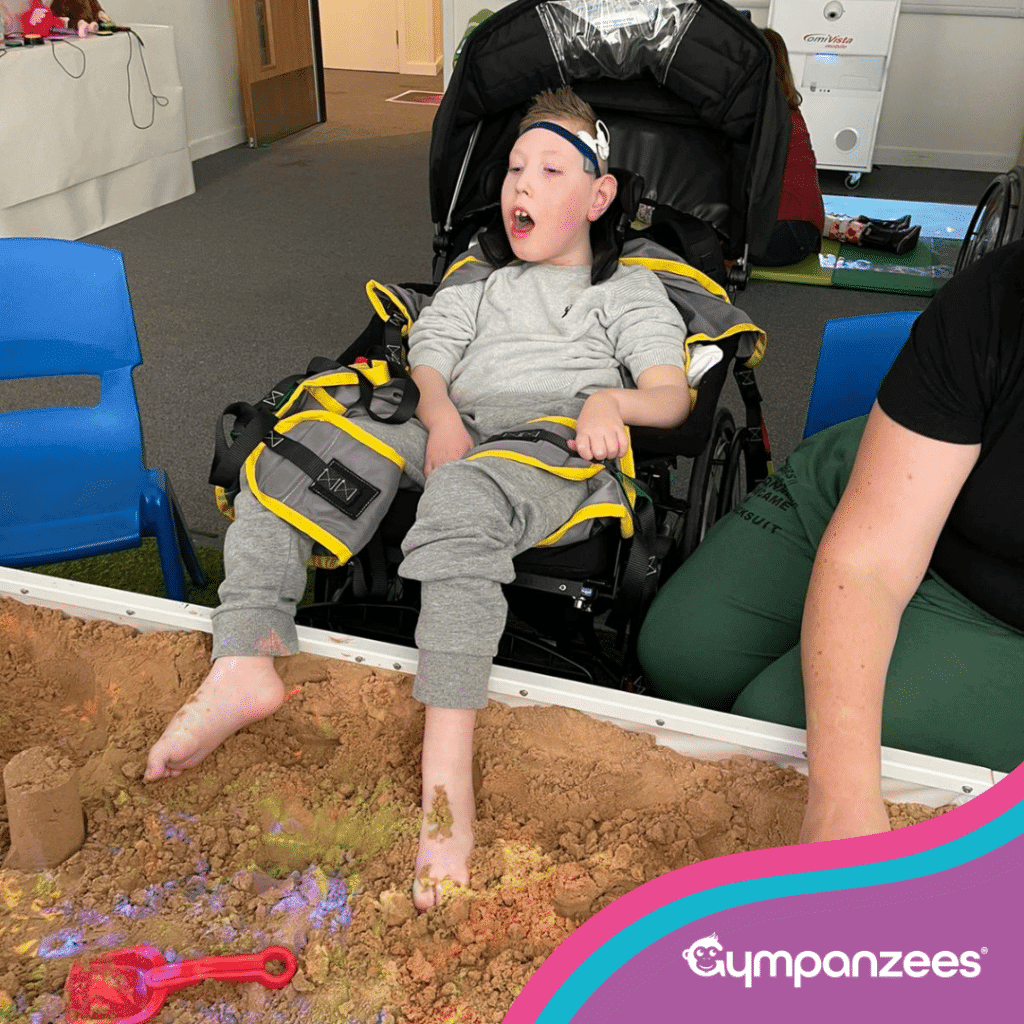
The systems are being designed to help disabled children and young people access play and exercise equipment that might otherwise be difficult or impossible for them to use.
Kevin explains:
“As part of this project, hoists will enable access to play facilities which may not otherwise be available.”
Hoisting will be incorporated across many parts of the centre.
The Active, Light and Dark Sensory Rooms will have room-covering systems, with further systems in the Gym and Music Room. A track will support access to the climbing wall, while two systems in the Swing Room will help children and young people access swings and other equipment.
Two pool-style hoists will support access to the trampolines, and a further track will be installed in the First Aid Room.
Hoisting built into play
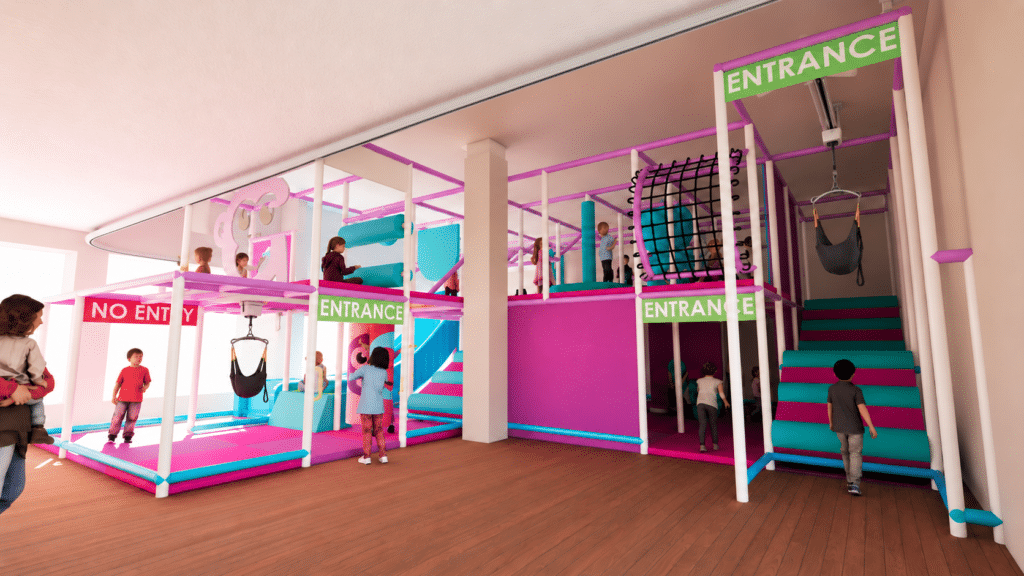
TVMC is working alongside the company designing the play structure to integrate hoisting directly into it across two levels. A curved track providing access to the slide, as well as another hoisting system built into the lower level of the play structure.
Kevin says:
“It’s the first time, as far as I know, that this has been attempted in the UK, so I’m hoping it will be something that others will incorporate for inclusivity.”
There are other thoughtful details too.
In some rooms, two separate room-covering systems will work together. This means a person can transfer smoothly from one hoist to another without needing to return to their wheelchair or be lowered to the floor in between.
“It’s a straightforward and smooth transition from one hoist to the next,” Kevin explains. “Dignified, easy and fun.”
And that last word matters.
These systems are not simply being installed because a building needs to meet an accessibility requirement. They are there so that more children and young people can actually take part and have fun.
More independence, less physical strain
Ceiling track hoists can also make visits easier for parents, carers and staff.
Because the systems are fixed overhead, they leave more floor space available for wheelchairs, other equipment and the people supporting the child or young person.
They can reduce the need for manual lifting too, making transfers safer and more comfortable for everyone involved.
Kevin says:
“Provision of ceiling track hoists reduces physical strain on carers and family by eliminating the need for manual lifting, which is more comfortable and less risky for both the person being lifted and the people doing the lifting.”
It’s not just disabled children and young people who benefit either. Some parents and carers are disabled themselves, and the same hoisting systems can support them too, whether that’s helping them move around the space more easily, or assisting them to support their own child during a visit. It can mean spending time with their children in full, something that may not have been possible before.
For some visitors, the controls can also provide another small but important opportunity for independence.
“The person who is being lifted can operate the up and down controls,” Kevin explains.
That means the equipment can help give children and young people more control over their own movement and experience.
Accessibility without making a space feel clinical
Hoists are often associated with hospitals, bathrooms and clinical settings, which can lead people to assume they will make an environment feel medical.
Modern systems can look very different.
Tracks can be recessed into ceilings or painted to blend into their surroundings, helping them become part of the room rather than dominating it.
For Gympanzees, that is particularly important.
The hoists need to be there when somebody needs them, but the room itself should still feel like what it is: a place to play, move, explore and have fun.
Looking ahead
After supporting Gympanzees through our Pop Ups, Kevin says he is looking forward to seeing the permanent centre come to life and the equipment being used by families.
When we asked what he hopes families will experience when using the hoists, his answer was simple:
“A sense of not having any barriers to stop them having a go.”
Go Bananas for Gympanzees!